


Blog
The GTA Homeowner’s Fall Maintenance Checklist: Tasks to Avoid Expensive Winter Repairs

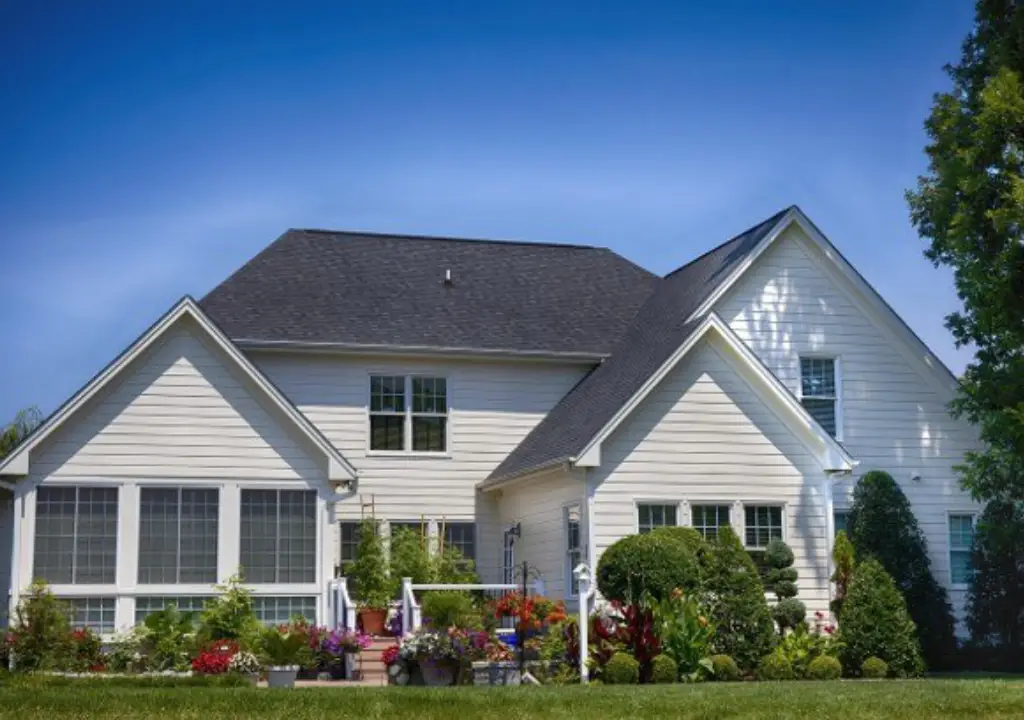
A $600 fall inspection can prevent a $20,000 frozen pipe or ice dam disaster. Here is the complete fall checklist for Toronto and GTA homeowners and landlords.
Fall is arguably the most important maintenance season in the Greater Toronto Area – not because of what happens in October itself, but because of what comes next. Almost every task skipped in the fall has a way of turning into a frozen pipe, a collapsed eavestrough, or a failed furnace in the middle of a February cold snap.
Toronto winters bring freeze-thaw cycles, heavy snow loads, and stretches of sub-zero temperatures that punish anything left unprepared. A home that goes into winter without proper fall maintenance is far more likely to need emergency repairs, right when contractors are busiest and prices are highest.
This checklist is organized to help you prepare your home before the temperature drops. Each task includes a typical cost range and the reason it matters. This checklist is intended as a general maintenance guide and does not cover every possible maintenance task. Your home’s specific needs may vary depending on its age, condition, and location. If you’d like a more comprehensive assessment or personalized maintenance recommendations for your home, contact C-Reno, we’re here to help.
Fall Home Maintenance Checklist
| Task | DIY / Pro | Typical Cost (CAD) | Cost Depends On | Why It Matters |
| Clean gutters & eavestroughs | DIY / Pro | $0 / $150–300 | Roof height, home size, extent of debris | Prevents ice dams and water damage to the roof and foundation. |
| Inspect roof for damaged shingles | Pro | $150–400 | Roof size, accessibility, extent of damage | Catches leaks before winter snow load makes them worse. |
| Disconnect & drain outdoor hose bibs | DIY | $0 | N/A | Prevents exterior pipes from freezing and bursting over winter. |
| Seal exterior cracks & gaps | DIY / Pro | $20–100 / $200–600 | Number and size of gaps, materials used | Stops drafts and keeps pests out before cold weather arrives. |
| Furnace inspection & tune-up | Pro | $150–300 | System age, service provider | Reduces risk of furnace failure during peak heating season. |
| Chimney & fireplace inspection | Pro | $150–350 | Chimney type, extent of buildup | Reduces fire risk and ensures proper venting. |
| Check attic insulation & ventilation | DIY / Pro | $0 / $300–800 | Insulation type, attic size | Prevents ice dams and reduces heating costs. |
| Test smoke & CO detectors | DIY | $10–30 | Number of units, battery type | Essential safety check as furnaces and fireplaces come back into use. |
| Trim trees & branches near the roofline | DIY / Pro | $0 / $200–600 | Tree size, number of trees | Prevents damage from snow-loaded branches falling on the roof. |
| Winterize outdoor irrigation system | Pro | $75–150 | System size, provider | Prevents frozen and burst irrigation lines. |

Don’t Forget These Commonly Overlooked Areas
Eavestrough Downspout Extensions
Downspouts that empty right next to the foundation are one of the most common causes of basement leaks once snow starts melting. Extend downspouts at least four to six feet away from the foundation before winter arrives.
Attic Insulation & Ventilation Balance
Ice dams form when heat escapes into the attic, melts snow on the roof, and refreezes at the colder eaves. Properly balanced insulation and ventilation is the single biggest factor in preventing them.
Exterior Hose Bibs & Irrigation Lines
A hose bib that isn’t drained and shut off from the interior can freeze and split, often going unnoticed until it thaws and floods a wall in spring.
Weatherstripping Around Doors & Windows
Worn weatherstripping is one of the most overlooked sources of heat loss in GTA homes. A few dollars of new weatherstripping now can meaningfully reduce winter heating costs.
When Should You Call a Professional?
While many maintenance tasks are suitable for homeowners, some should be left to qualified professionals.
Consider hiring a professional if you notice:
• Roof damage or missing shingles
• Signs of a previous ice dam or attic moisture
• Furnace that won’t ignite reliably or makes unusual noises
• Chimney with heavy creosote buildup
• Foundation cracks or movement
• Water stains inside the home
• Electrical issues
• Rotten structural wood
• Pest entry points around the foundation or roofline
Early professional intervention is almost always less expensive than emergency repairs.
Fall Maintenance Tips for Rental Property Owners
If you own rental properties in the GTA, fall is the season to confirm your building is ready for the heating season — and for the property standards requirements that come with it.
Pay particular attention to:
• Furnace inspection before tenants need consistent heat
• Gutter and eavestrough cleaning
• Exterior lighting for shorter daylight hours
• Weatherstripping and door seals
• Smoke and CO alarm testing
• Roof and attic inspection
• Winterizing any exposed exterior plumbing
Toronto’s Property Standards Bylaw requires landlords to maintain a minimum indoor temperature of 21°C starting October 1, so a pre-season furnace inspection isn’t just good practice — it helps you stay compliant from day one of the heating season.
Frequently Asked Questions
When should I clean my gutters in the GTA?
Most GTA homeowners should clean their gutters in late October or early November, after most leaves have fallen but before the first snowfall.
Is fall a good time for a roof inspection?
Yes. A fall roof inspection lets you catch and repair damage before snow load and ice dams have a chance to make small problems worse.
Do I need a professional furnace inspection every year?
Annual furnace inspections are recommended for most systems, ideally completed before heating season starts, to reduce the risk of breakdowns during the coldest months.
When does the City of Toronto’s heating season start?
Under the City of Toronto’s Property Standards Bylaw, landlords must provide a minimum indoor temperature of 21°C from October 1 through May 15 each year.
Final Thoughts
Fall maintenance is really winter insurance. Every hour spent cleaning gutters, sealing gaps, and servicing your furnace in October is an hour that helps you avoid a much more expensive emergency call in January.
A home that’s properly prepared for winter is safer, more energy efficient, and far less likely to surprise you with a frozen pipe or a failed furnace when temperatures drop.
Need Help Preparing Your Home for Winter in the GTA?
Not every fall maintenance task is a DIY project.
If you’ve discovered roof damage, deteriorated caulking, attic insulation issues, furnace problems, or other maintenance concerns, Central Reno can help.
Our experienced team provides professional home repair, renovation, and maintenance services across the Greater Toronto Area. Whether you need a small repair or a larger renovation, we’re here to help protect your home before winter arrives.